How to Make Wood Stairs Non-Slip: 5 Methods Ranked
Affiliate disclosure: As an Amazon Associate, WoodyMan Reviews earns from qualifying purchases. If you buy through links on this page, we may earn a commission at no extra cost to you. How this works.
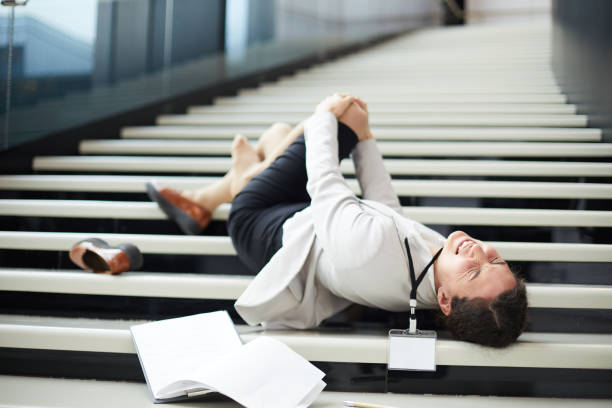
Polished wood stairs look beautiful and get dangerously slick - especially in socks, when wet, or for kids, older adults, and pets. The good news: making them non-slip is easy and cheap, and you can choose how visible the fix is. The right method depends on your priorities: maximum grip, best looks, or lowest cost. Here are five approaches, ranked, from a five-minute fix to a full refinish.
We earn a small commission from the Amazon links below, at no extra cost to you - see our affiliate disclosure.
1. Anti-slip tread tape - the fast, effective fix
Best for: instant, reliable grip on a budget - indoors or out.
Adhesive anti-slip tread tape is the quickest, most dependable fix: a gritty, sandpaper-like strip you peel and stick across each tread. It grips hard even when wet, installs in minutes with no skill, and is cheap. The trade-off is looks - it's visible and utilitarian (though it comes in clear and colors to blend in better). For safety-first situations - basement stairs, a deck, steps for elderly family or kids - it's the top pick. The Gorilla Anti-Slip Tread Tape is a durable, high-traction option that holds up indoors and out.
2. Non-slip coating / anti-slip paint - durable and uniform
Best for: a permanent, whole-tread grip that's tidier than tape.
A non-slip coating - an anti-slip floor paint with fine grit suspended in it - gives every tread a uniform, gritty, durable surface without strips to peel up. It's more work (clean, prep, and paint the treads, let it cure) and it changes the look to a painted finish, but the result is tough, even, and long-lasting - great for painted or worn stairs, porches, and decks. INSL-X Sure Step is a proven acrylic anti-slip coating; see more options in our best floor paint guide.
3. Stair runners / carpet treads - best looks and comfort
Best for: a warm, decorative, quiet solution that hides the wood.
A runner (a strip of carpet down the center) or individual carpet stair treads add grip, cushioning, and warmth, and can look great - softening the sound and the fall risk at once. They're the most decorative option and comfortable underfoot. Downsides: they cover the wood you may have wanted to show, need occasional cleaning, and carpet treads must be secured well so they don't shift (which would make things more dangerous). Ideal for main staircases where looks and comfort matter.
4. Grit-additive clear finish - invisible grip
Best for: keeping the natural wood look with hidden traction.
If you refuse to hide the wood, mix a fine anti-slip additive (a clear grit powder made for floor finishes) into your polyurethane or floor finish and recoat the treads. The grit disappears into the finish, leaving the wood looking natural but with a subtly textured, less-slippery surface. It requires refinishing the treads and getting the grit concentration right (test on scrap), and the grip is gentler than tape or coatings - but it's the only method that's essentially invisible.
5. Rubber stair treads - heavy-duty, outdoor-friendly
Best for: high-traffic, industrial, or outdoor steps where durability rules.
Rubber stair treads are thick, molded rubber mats that screw or adhere to each step for aggressive, weatherproof grip. They're the most durable and best in wet or outdoor/industrial settings, but they're bulky, obviously utilitarian, and change the look most of all. For a workshop, garage, or exterior stairs that see boots and weather, they're the toughest fix.
Which method should you choose?
- Fastest / most grip / cheapest: anti-slip tread tape.
- Permanent and uniform, don't mind paint: non-slip coating.
- Best looks and comfort: runner or carpet treads.
- Keep the natural wood look: grit-additive clear finish.
- Toughest / wet / outdoor: rubber treads.
Whatever you choose, focus grip on the front edge (nosing) of each tread, where feet land and slips start, and keep the treatment consistent step to step so the staircase feels predictable.
Frequently Asked Questions
What's the easiest way to make wood stairs less slippery?
Anti-slip tread tape - peel-and-stick gritty strips that grip instantly, install in minutes, cost little, and work even when wet. It's the fastest, most reliable fix; the only downside is that it's visible (though clear versions blend in).
How do I make wood stairs non-slip without covering the wood?
Mix a fine anti-slip additive into your clear polyurethane/floor finish and recoat the treads - the grit hides in the finish, keeping the natural wood look with hidden traction. Clear anti-slip tread tape is another low-visibility option.
Are anti-slip coatings better than tape?
They give a more uniform, permanent, tidy result with no strips to peel up, but they require prepping and painting the treads and change the look to a painted finish. Tape is faster and cheaper with more grip per minute of effort. Choose coating for permanence, tape for speed.
How can I make outdoor wood steps non-slip?
Use a weather-rated anti-slip tread tape, an exterior non-slip coating, or rubber treads - all hold up outdoors. Focus on the tread nosing, keep the surface clear of leaves and algae, and reapply grip as it wears.
Where should I put the non-slip strips on stairs?
Across the front edge (nosing) of each tread, where your foot lands, plus a strip or two across the tread if you want full coverage. Keep placement consistent on every step so the staircase feels uniform and predictable underfoot.
Related guides
For coating options, see our best floor paint and wood paint guides. Refinishing the stairs entirely? Smooth them first with the right wood sander, and keep the whole project safe with our woodworking safety guide.