What Is Woodworking? Definition, Types & How to Start
Woodworking is the craft of shaping wood into useful and beautiful things - furniture, cabinets, bowls, boxes, toys, trim, and art. At its heart it's a simple loop: measure, cut, shape, join, and finish. But within that loop lives a huge, satisfying world of skills and disciplines, and this guide is the plain-English map for anyone asking "where do I even start?"
Whether you want to build a bookshelf, turn a bowl, or just understand the craft, here's what woodworking actually is - and how to begin.
The main disciplines of woodworking
"Woodworking" is an umbrella over several related crafts:
- Carpentry - structural and building work: framing, decks, stairs, and rough construction.
- Joinery - making the joints and fixed woodwork of a building: doors, windows, stairs, and built-ins.
- Cabinetmaking / furniture making - fine indoor pieces where fit and finish matter: cabinets, tables, chairs.
- Wood turning - shaping wood on a lathe into round forms: bowls, spindles, pens, and legs.
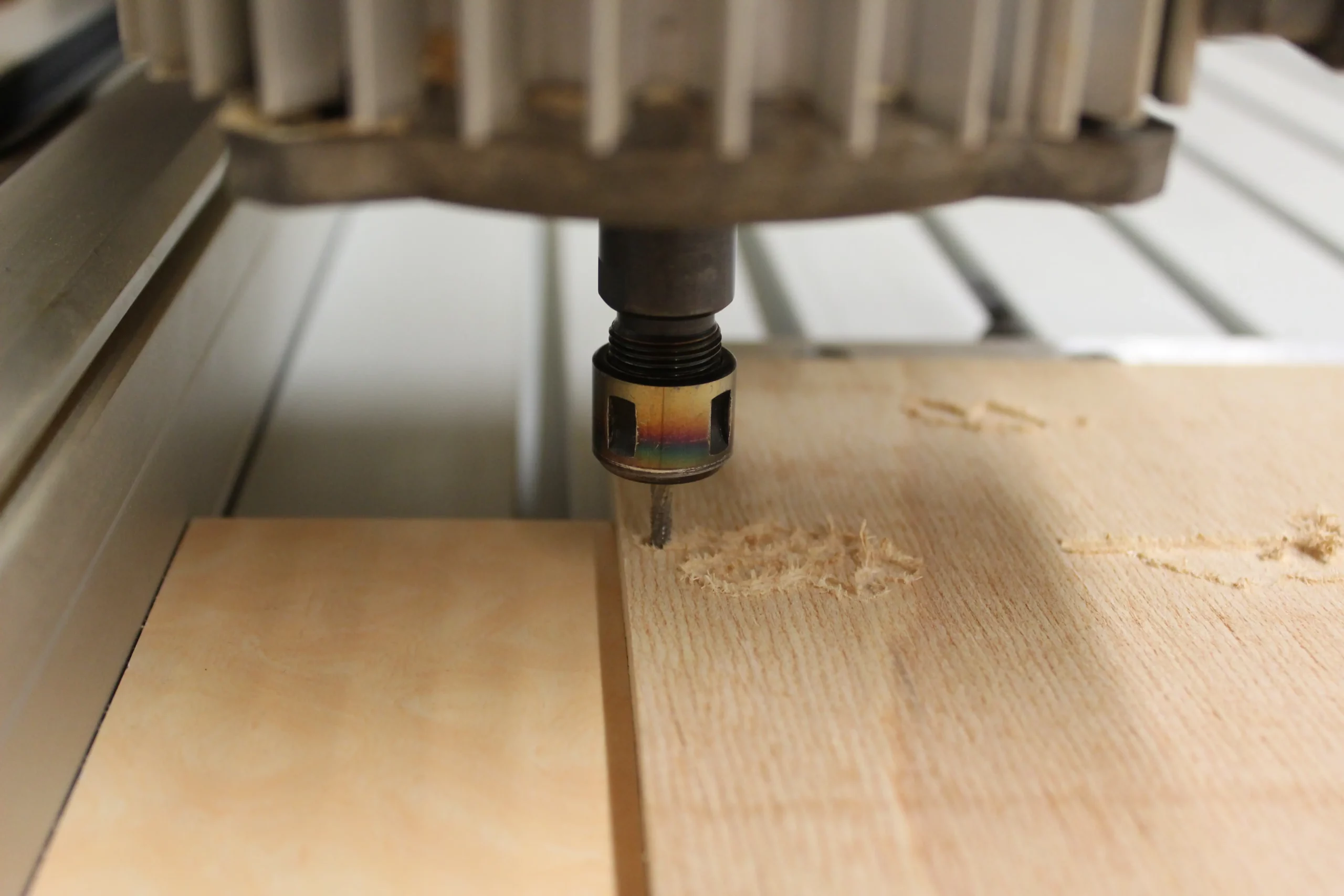
- Carving - cutting away wood by hand or with a laser to create shapes, relief, and detail.
- Pyrography - decorating wood by burning designs into it with a heated pen.
Most hobbyists dabble across several, then gravitate toward the ones they love.
The core skills
Nearly every project uses the same fundamental skills, in roughly this order:
- Measuring & marking - accurate layout is where good work begins. "Measure twice, cut once" is the oldest rule for a reason.
- Cutting - sawing to length and shape, by hand or with power tools.
- Shaping & dimensioning - flattening, thicknessing, and smoothing rough boards into square, usable stock (see our milling guide and wood planers).
- Joining - connecting pieces with joinery, screws, or glue, and clamping while it sets.
- Sanding & finishing - smoothing the surface (our wood sanders hub covers this) and protecting it with paint, stain, or a clear finish.
You don't master these overnight - you build them project by project, and that progression is much of the fun.
Understanding wood
Wood isn't one material - the species you choose shapes the whole project:
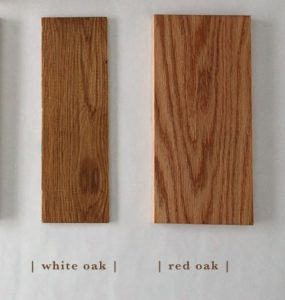
- Hardwoods (from broadleaf trees: oak, maple, walnut, cherry) are generally denser and stronger, prized for furniture. See our red oak vs white oak comparison for how even two similar species differ.
- Softwoods (from conifers: pine, fir, cedar) are lighter, cheaper, and common in construction and beginner projects.
Wood also moves - it expands and contracts with humidity across its width - so understanding grain direction and seasonal movement is a key part of designing pieces that last. To see how much a given board will move, try the wood movement calculator.
Essential tools to start
You don't need a warehouse of tools. A capable starter kit:
- A tape measure and a square for layout.
- A saw (a circular saw with a guide, or a handsaw to begin).
- A cordless drill/driver.
- A random orbital sander - the one power tool that improves almost every project.
- Chisels, clamps, and wood glue.
From there you add tools as specific projects demand - a router, a planer, a lathe. Our comprehensive guide to woodworking tools breaks the whole toolkit down by category and tells you what to buy first.
How to start woodworking
- Pick a small, real project - a cutting board, a simple box, a shelf. Finishing something teaches more than reading ever will.
- Buy tools as you need them, not all at once. Let projects pull tools into the shop.
- Learn to sharpen and to sand - sharp edges and good surface prep separate amateur results from clean ones.
- Respect safety - eye and ear protection, dust control (wood dust is a health hazard), and never rush a cut.
- Embrace mistakes. Every woodworker has a pile of learning experiences. Cheap wood and small projects make them affordable.
Frequently Asked Questions
What exactly is woodworking?
Woodworking is the craft of making things from wood - furniture, cabinets, turned bowls, carvings, and more - using a cycle of measuring, cutting, shaping, joining, and finishing. It spans disciplines from rough carpentry to fine cabinetmaking and decorative arts like turning and pyrography.
Is woodworking hard to learn?
The fundamentals are approachable - you can build a simple project on a first weekend - but woodworking has real depth, and skills like joinery, sharpening, and finishing take time to master. Starting small and finishing projects is the fastest way to improve.
What tools do I need to start woodworking?
A tape measure, a square, a saw, a cordless drill/driver, a random orbital sander, chisels, clamps, and wood glue will handle a wide range of beginner projects. Add specialized tools (router, planer, lathe) as projects require. See our tools guide.
What's the difference between hardwood and softwood?
They come from different trees, not just different hardness: hardwoods (oak, maple, walnut) come from broadleaf trees and are usually denser, favored for furniture; softwoods (pine, cedar, fir) come from conifers and are lighter and cheaper, common in construction and beginner builds.
What should my first woodworking project be?
Something small and useful you can finish - a cutting board, a simple box, a shelf, or a stool. Completing a real project teaches measuring, cutting, joining, and finishing all at once, and builds the confidence (and tool collection) for bigger builds.
Where to go next
Ready to gear up? See the comprehensive guide to woodworking tools. Curious about specific disciplines? Explore wood turning, sanding, planing and milling, painting and finishing, and decorative crafts like wood burning and laser cutting. Thinking of turning the craft into a side business? Get naming ideas from our woodworking business names guide.