Timber vs Lumber: The Difference (and Why It Depends Where You Are)
"Timber" and "lumber" both mean wood - but they're not simply interchangeable, and the difference depends heavily on where you are in the world. In North America the two words describe different stages of wood; in the UK, Australia, and much of the Commonwealth, "timber" covers what Americans call lumber. Here's the clear breakdown.
The North American definitions
In the United States and Canada, the words split by processing stage:
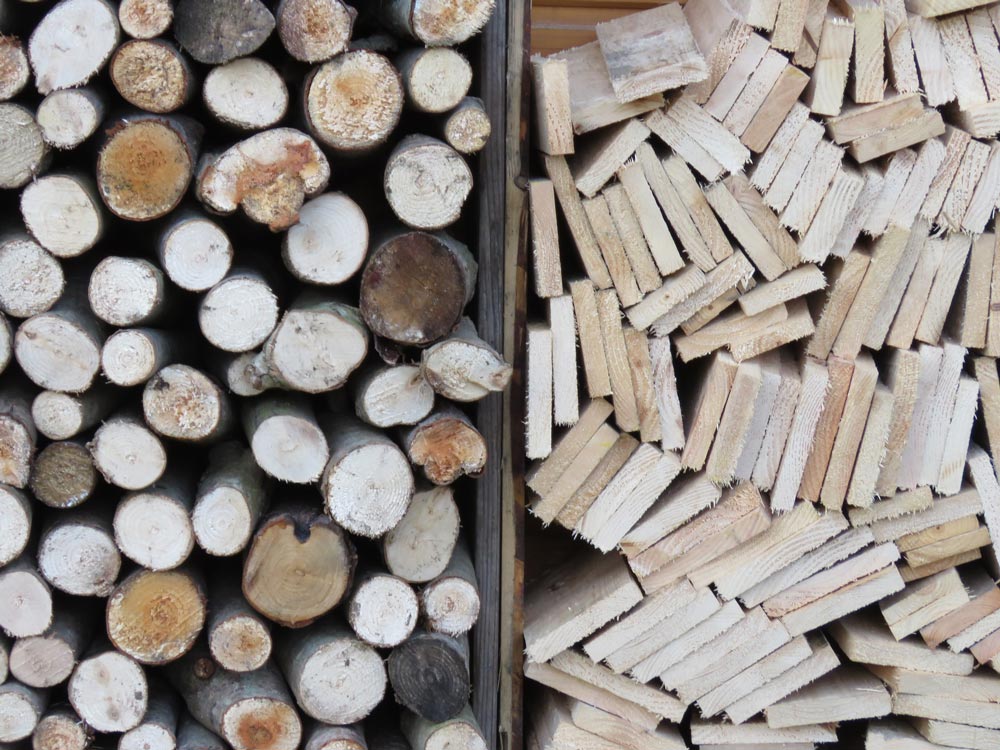
- Timber = wood that is still standing (living trees), felled logs, or large uncut/structural pieces. In the trade, "timber" also refers to large-dimension structural members - typically beams 5 inches or more in their smallest nominal dimension (heavy posts and beams).
- Lumber = wood that has been sawn and processed into boards and planks - the dimensional stock you buy at the store (2x4s, 1x6s, sheet goods). If it's been milled into usable board form, Americans call it lumber.
So in the US, a forest and the beams in a barn are "timber," while the boards on the shelf are "lumber."
The UK / Commonwealth definition
In the UK, Ireland, Australia, and New Zealand, the word is different:
- Timber = essentially all wood, including sawn boards and planks - what Americans call lumber. A British woodworker buys "timber" at the timber merchant.
- Lumber is rarely used for wood at all in British English; historically it even meant junk or odds and ends ("lumber room").
This is purely a regional vocabulary difference - the material is identical; only the label changes.
Timber vs lumber - at a glance
| United States / Canada | UK / Australia / NZ | |
|---|---|---|
| Standing trees / logs | Timber | Timber (or "standing timber") |
| Sawn boards & planks | Lumber | Timber |
| Large structural beams | Timber | Timber |
| "Lumber" used for wood? | Yes - for boards | Rarely (means junk historically) |
From standing tree to finished board
However you label it, wood moves through the same stages:
- Standing timber - living trees in the forest.
- Logs - felled and bucked to length.
- Rough-sawn lumber/timber - cut into boards at a sawmill.
- Dried - air- or kiln-dried to a stable moisture content.
- Surfaced / dimensioned - planed to final size (e.g., a rough 2x4 dressed to 1½" × 3½").
Our wood milling guide walks through this process in detail, including how the cut affects grain and stability.
Does the difference affect price or use?
Not the material - a board is a board. But the terms map to different products and markets:
- Structural timber (beams, posts) is priced and graded differently from dimensional lumber (2x4s, boards).
- Grade and species drive price far more than the label - a select-grade hardwood board costs many times a construction-grade softwood 2x4, whether you call it timber or lumber.
- When ordering, especially internationally, use the local term to avoid confusion at the yard.
To plan how much you need and what it'll cost, use our board foot calculator and lumber calculator.
Frequently Asked Questions
What is the difference between timber and lumber?
In North America, timber is standing trees, logs, or large structural beams, while lumber is wood sawn into boards and planks. In the UK and Australia, timber means all wood including sawn boards (what Americans call lumber). It's largely a regional vocabulary difference by processing stage.
Is timber the same as lumber?
The material can be identical - it's mostly about terminology and stage. Americans reserve "lumber" for processed boards and "timber" for trees, logs, and big beams; the British call all of it "timber." So "the same wood" may be called timber or lumber depending on where you are.
Why do the British say timber and Americans say lumber?
It's a dialect difference. British English uses "timber" for all sawn wood and historically used "lumber" to mean junk or stored odds and ends. American English adopted "lumber" for processed boards and kept "timber" for trees and large structural members.
What counts as "timber" in the US lumber trade?
Besides standing trees and logs, US usage calls large-dimension structural pieces "timbers" - generally members 5 inches or more in their smallest nominal dimension (heavy beams and posts), as opposed to smaller dimensional lumber like 2x4s.
Does calling it timber or lumber change the price?
No - price is driven by species, grade, dimension, and market, not the word. But the terms point to different products (structural timbers vs. dimensional lumber), which are priced and graded differently. Use the local term when ordering to avoid mix-ups.
Related reading
See how wood is cut and dried in our wood milling guide, and plan a project's material with the board foot and lumber calculators. Building with dimensional lumber? See how much weight a 2x4 can hold - and if you need boards cut down first, whether Home Depot or Lowe's will do it. New to it all? Start with what is woodworking.