How to Make Wood Trim Look Modern: 6 Ways to Update Dated Woodwork
Affiliate disclosure: As an Amazon Associate, WoodyMan Reviews earns from qualifying purchases. If you buy through links on this page, we may earn a commission at no extra cost to you. How this works.
Orange-toned oak trim, glossy honey baseboards, ornate colonial casings - dated woodwork can make an entire room feel stuck in the past. The good news is that modernizing trim is one of the highest-impact, lowest-cost updates in a home, and most of it is a weekend's work. Here are six ways to bring wood trim into the present, from a coat of paint to a profile change.
We earn a small commission from the Amazon links below, at no extra cost to you - see our affiliate disclosure.
1. Paint it (the single biggest change)
Nothing modernizes dated trim faster than paint - it's the number-one move. Crisp painted trim reads clean and contemporary where orange-toned wood reads dated. The go-to palettes:
- Bright white or warm white - the timeless, always-modern default that brightens a room.
- Black or charcoal - bold, dramatic, and very current for doors, windows, and feature trim.
- Greige / soft neutral - subtle and sophisticated.
Do it right: clean the trim, sand or de-gloss it, and - crucially - use a bonding primer so paint sticks to the old glossy finish (glossy or previously stained trim will reject ordinary paint). KILZ Adhesion primer grips slick, glossy trim; then topcoat with a durable semi-gloss enamel. See our wood paint guide for choosing paint and sheen.
2. Simplify the profile
Ornate, multi-step colonial and Victorian profiles feel traditional; clean, simple profiles feel modern. You can:
- Replace fussy casings and baseboards with flat, square-edged (Shaker-style) trim - the defining look of modern and farmhouse interiors.
- Or, for a substantial modern look, go wider and flatter - tall flat baseboards and square door casings read contemporary and high-end.
Swapping trim is more work than painting, but it changes the room's whole character. Even keeping the wood and just simplifying the profile modernizes it dramatically.
3. Update the wood tone (if you keep it natural)
Not everyone wants painted trim - natural wood is back in style, just in different tones. The dated look is usually the orange/yellow (honey oak) cast and high-gloss finish. To modernize while keeping wood:
- Strip and re-stain to a current tone: matte walnut, warm greige, or a natural clear finish instead of orange.
- Kill the gloss - a satin or matte finish reads far more modern than shiny polyurethane.
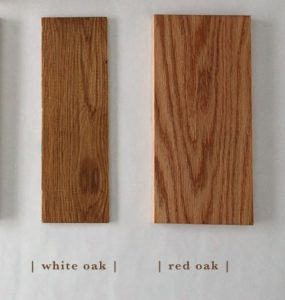
Understanding wood undertones helps here; our red oak vs white oak guide explains why some woods fight cool, modern stains (and how to pick one that takes them).
4. Go monochrome (trim = wall color)
A very current designer move is painting trim the same color as the walls - a monochromatic, seamless look that feels calm, architectural, and modern (the opposite of high-contrast white-on-color traditional trim). It also makes small rooms feel larger and lets the shape of the trim read rather than its contrast. Works beautifully in soft neutrals or a bold, moody single color throughout.
5. Add architectural trim (board-and-batten, picture frame molding)
Sometimes the fix is more trim, done in a modern layout. Board-and-batten (vertical battens over a painted base) and picture-frame / panel molding add contemporary architectural interest to flat walls. Painted in one clean color, these read as high-end modern detailing rather than fussy traditional woodwork - a popular, high-impact upgrade for entryways, dining rooms, and accent walls.
6. Refresh the surroundings
Trim doesn't live in isolation. Modernizing the adjacent elements amplifies the effect: update door hardware (matte black, brushed brass), swap dated switch plates, and repaint doors to match your new trim scheme. These small, cheap changes make freshly modernized trim look intentional and complete.
Frequently Asked Questions
What's the best way to modernize old wood trim?
Paint it. A clean coat of white, black, or greige (over a bonding primer, in semi-gloss) is the single highest-impact, lowest-cost way to make dated orange-toned or glossy trim look modern. Simplifying the profile to flat, square trim takes it further.
Should I paint wood trim or keep it natural?
Both can be modern. Painted trim (white, black, or wall-matched) is the fastest, most transformative update. If you prefer natural wood, modernize it by re-staining to a current tone (matte walnut or greige, not orange) and switching to a satin/matte finish instead of gloss.
What color trim is most modern right now?
Crisp white and warm white remain timeless; black/charcoal trim is very current for doors and windows; and monochrome (trim matching the wall color) is a strong contemporary designer look. Avoid high-gloss orange-toned wood - that's the dated look people want to escape.
Do I need to prime wood trim before painting?
Yes - especially glossy or previously stained trim. Clean, sand/de-gloss, and use a bonding primer so the paint adheres and won't peel. Skipping primer on slick old trim is the top reason repainted trim fails.
What trim profile looks most modern?
Flat, square-edged (Shaker) profiles - clean baseboards and door casings without ornate steps. Going wider and flatter reads contemporary and upscale, while fussy multi-step colonial profiles read traditional.
Related guides
Ready to paint? See our wood paint hub for choosing paint and sheen, and best floor paint if you're refreshing floors too. Matching a new floor to modern trim? Our red oak vs white oak flooring guide covers tone and undertone. Refreshing kitchen cabinets in the same project? Line the shelves with our best cabinet liners picks.