Best Finish for Butcher Block: Cutting vs Counter
Affiliate disclosure: As an Amazon Associate, WoodyMan Reviews earns from qualifying purchases. If you buy through links on this page, we may earn a commission at no extra cost to you. How this works.
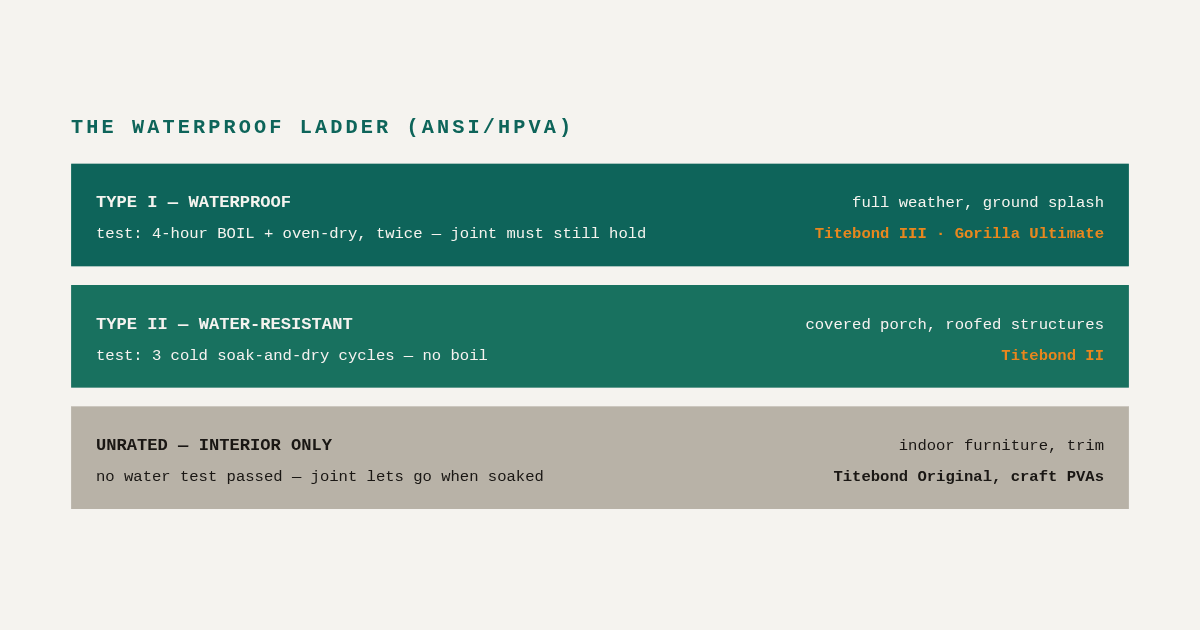
Short answer: it depends on one question - do you cut on it? If knives touch the surface, use food-grade mineral oil topped with a beeswax conditioner (Howard's is the standard) and reapply monthly. If it's a countertop you don't cut on, a penetrating oil-varnish like Watco Butcher Block Oil & Finish or pure tung oil builds real water resistance. Polyurethane belongs on neither.
Butcher block is the one finishing job where the "toughest" finish is the wrong answer. A cutting surface needs a finish that's food-safe, knife-tolerant, and endlessly renewable - which means oil that soaks in, not film that sits on top. A prep-free counter with a sink in it needs the opposite: standing-water protection. Every product below is compared on that split, with the food-contact standard it meets. (Deeper chemistry on the film side lives in our poly vs varnish vs lacquer explainer and danish oil vs tung oil.)
We earn a small commission from the Amazon links below, at no extra cost to you - see our affiliate disclosure.
The 5 best butcher block finishes
| Finish | Best for | Woody Rating | |
|---|---|---|---|
| 1. Howard Butcher Block Conditioner | Cutting surfaces - the oil + wax standard | 9.2/10 [Editor's Choice] | Check price |
| 2. Thirteen Chefs Mineral Oil | The base coat - cheapest per application | 8.9/10 | Check price |
| 3. John Boos Mystery Oil | Boos blocks & heavy-use boards | 8.7/10 | Check price |
| 4. Watco Butcher Block Oil & Finish | Counters you don't cut on - real water resistance | 8.6/10 | Check price |
| 5. Hope's 100% Pure Tung Oil | All-natural film - no petroleum, no resins | 8.4/10 | Check price |
The one-question decision
1. Howard Butcher Block Conditioner - Editor's Choice
Best for: every wooden surface a knife or food touches - the maintenance product your butcher block actually wants.
Howard's is the category benchmark for a simple reason: it's the two-step oil routine in one bottle - USP food-grade mineral oil carrying beeswax and carnauba wax. The oil sinks in and feeds the wood; the waxes stay near the surface, buff to a soft sheen, and slow water penetration in a way bare mineral oil can't. It exceeds FDA food-contact requirements, has no smell, and application is a rag and five minutes. The honest limits: it's maintenance, not armor - water still wins if it sits, and you're signing up for a monthly (heavy use) to quarterly wipe-down forever. On a cutting surface, that's not a flaw; that's the deal with wood.
| Pros | Cons |
|---|---|
| ✅ Oil + wax in one step; FDA food-contact safe | ❌ Needs reapplication forever (monthly-ish) |
| ✅ Waxes add water beading plain oil lacks | ❌ No protection against standing water |
| ✅ Five-minute, no-skill application |
2. Thirteen Chefs Mineral Oil - The Base Coat
Best for: the initial deep-oiling of new or freshly sanded block - and the cheapest ongoing top-up there is.
Before any conditioner earns its keep, dry wood needs to drink, and straight NSF-certified, USP food-grade mineral oil is the right and cheapest thing to feed it: colorless, odorless, tasteless, never goes rancid (the fatal flaw of every kitchen-cupboard oil people substitute). Thirteen Chefs is the woodworker-favorite bottle of it - 12 oz with a directional spout, made in the USA. A new butcher block top drinks a lot: flood coats a day apart until it stops absorbing, then switch to Howard's or Boos cream for the surface. Pure protection ceiling is low - no wax, no film - which is why it's the base layer, not the whole system.
| Pros | Cons |
|---|---|
| ✅ NSF/USP food grade; can't go rancid | ❌ Oil only - no wax layer, no water beading |
| ✅ Cheapest per application of anything here | ❌ New blocks drink bottles of it (buy the big size) |
| ✅ Also maintains knives, boards, stone, steel |
3. John Boos Mystery Oil - The Board-Maker's Formula
Best for: Boos blocks (obviously), butcher-shop-grade use, and anyone who wants the formula the biggest name in butcher block ships with its own boards.
John Boos has made commercial butcher block since 1887, and Mystery Oil is what they tell you to put on it: food-grade mineral oil carried with a touch of beeswax - thinner than Howard's conditioner, so it penetrates deeper per coat, which suits end-grain blocks and heavily used boards that need oil down in the wood, not just at the surface. NSF certified, made in the USA. The system is two products (Mystery Oil to feed, Boos Board Cream to seal the surface); if you'd rather buy once, Howard's splits the difference in a single bottle - but for a serious end-grain chopping block, the deeper-penetrating oil is the better first step.
| Pros | Cons |
|---|---|
| ✅ Thin formula penetrates deep - ideal for end grain | ❌ Full system wants the Board Cream too |
| ✅ NSF certified; the commercial standard | ❌ Costs more than plain mineral oil for mostly mineral oil |
| ✅ 140 years of boards behind the recipe |
4. Watco Butcher Block Oil & Finish - For Counters, Not Cutting
Best for: butcher block countertops - prep-free islands, desks, shelves, anywhere you want wood warmth with actual resistance to coffee rings and puddles.
This is the film-route pick: a tung-oil/alkyd-resin wiping varnish that cures into low-sheen protection in and on the wood. Three thin coats, light scuff between, and a full 72-hour cure before use - after which water beads instead of soaking, and daily wipe-downs stop being a race. It meets FDA 21 CFR 175.300 for incidental food contact once fully cured, but don't misread that: cutting on it destroys the film, and repair means sanding back to bare wood. We rate it above raw danish-oil approaches for counters because the resin content builds protection faster (the full oil-blend story). Application forgiveness is high - it's a wipe-on, like all wiping varnishes.
| Pros | Cons |
|---|---|
| ✅ Real standing-water resistance, kitchen-proof | ❌ Not for surfaces you cut on - film chips |
| ✅ Wipe-on application, hard to mess up | ❌ 72-hour cure before the counter is usable |
| ✅ FDA-compliant for incidental food contact, cured | ❌ Repairs need sanding, not just re-oiling |
5. Hope's 100% Pure Tung Oil - The All-Natural Film
Best for: counters where "no petroleum, no synthetic resins" is the requirement - the traditional food-safe film finish.
Pure tung oil is the old answer that still works: pressed from tung tree nuts, it polymerizes into a flexible, water-resistant matrix within the wood - a film finish by chemistry, natural by ingredient list, and food-safe once fully cured. Hope's is actually 100% tung (many "tung oil finishes" are varnish blends with a nostalgic label). The trades: thin coats must be thin and buffed off or it cures gummy, full cure takes 2-4 weeks (vs Watco's 3 days), and protection builds slower. But it's endlessly spot-repairable - scuff and re-wipe - which the resin films aren't, making it the middle path between the oil and film routes. More depth in our danish vs tung comparison; wet-oil application technique in wet sanding wood.
| Pros | Cons |
|---|---|
| ✅ Single natural ingredient, genuinely 100% tung | ❌ 2-4 week full cure - patience required |
| ✅ Spot-repairable, unlike resin films | ❌ Applied thick, it gums - technique matters |
| ✅ Water-resistant when cured | ❌ Less standing-water armor than the Watco |
Applying it right (both routes)
Oil route (cutting surfaces): sand to 180-220, vacuum, then flood with mineral oil and let it sit 20 minutes before wiping the excess. Repeat daily until the wood stops absorbing (new tops: 3-5 rounds). Finish with conditioner, buffed in. Maintenance trigger: when water stops beading or the wood looks pale and dry - wipe on more. There is no such thing as over-oiling; excess just wipes off.
Film route (counters): sand to 180, remove every trace of dust, then thin wiped coats - with the grain, no puddles - scuffing with 320 between. Three coats minimum around water zones. Respect the cure time before setting anything on it; "dry to touch" is not "cured."
Either route, once a year: scrape or lightly sand any grimy or knife-marked areas and re-treat. Wood counters aren't low-maintenance - they're easy-maintenance, which is different and better.
Frequently asked questions
Can I use polyurethane on butcher block? On a pure display/desk surface, technically yes - but on kitchen block it's the classic mistake: one knife slip or hot-pan edge breaches the film, water wicks under, the finish clouds and peels, and the only fix is sanding the whole top. The Watco-style penetrating varnish gives you most of the protection with a repair story that isn't "start over."
Can I use olive or vegetable oil instead of mineral oil? No - food oils oxidize and go rancid in the wood, leaving a smell you cannot remove. Fractionated coconut oil is the only kitchen-cupboard exception. A bottle of USP mineral oil costs less than the olive oil anyway.
How often should I oil a butcher block? The old rule works: daily for a week, weekly for a month, monthly forever - then let the wood tell you. Water soaking in flat instead of beading means it's thirsty. Around heavy use (daily chopping, dishwater), monthly; a lightly used island, quarterly.
Is butcher block sanitary once finished? Kept oiled and cleaned, yes - wood's capillary structure actually traps and kills surface bacteria better than scarred plastic boards. The rules: hot soapy wipe (never a soak), dry standing on edge if loose, and re-oil so the surface stays sealed. Raw-meat prep still deserves a separate board you can scrub hard.
What's the best finish for butcher block around a sink? Film route only - Watco or a comparable water-resistant penetrating finish, extra coats on the end grain at the sink cutout (that's where every sink-adjacent counter fails first). Caulk the rim, wipe up standing water, and expect to refresh the sink zone yearly.
Verdict
Answer the one question and the list picks itself: knives touch it → Howard's conditioner over a Thirteen Chefs mineral-oil base (or the Boos system for serious end-grain blocks); nobody cuts on it → Watco for maximum practicality or Hope's tung for the all-natural version of the same idea. Whichever route you take, the finish is a subscription, not a purchase - five minutes a month keeps a wood top beautiful for decades, which is a trade no laminate can offer.